![Tree Service Eugene Oregon | Tree Removal Eugene [With Cost]](https://treeserviceeugene.net/wp-content/uploads/2026/03/cropped-ChatGPT-Image-Mar-19-2026-01_11_49-AM.png)
Is Yucca Poisonous to Humans? [5 Things You Need To Know]
Yucca plants grow in over 40 species worldwide. They add bold, spiky beauty to yards and homes. But many people ask a simple question: is yucca safe to touch, grow, and be around? Here’s the direct answer, backed by facts.
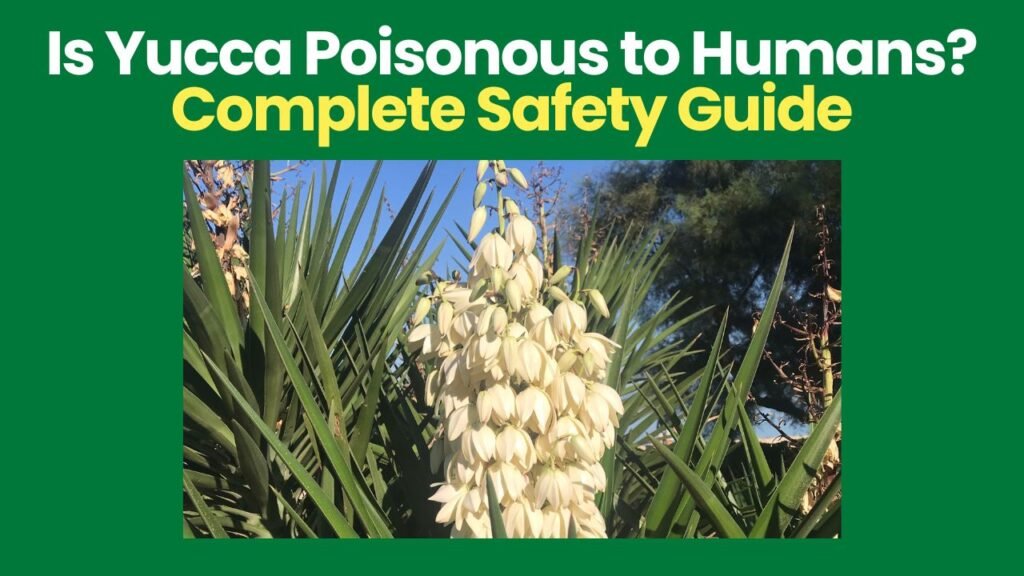
Is Yucca Poisonous to Humans?
Yes, yucca is mildly toxic to humans. The toxic compound is called steroidal saponins. It causes low toxicity in humans but severe toxicity in pets like dogs, cats, and horses.
Saponins are found in the leaves, stems, roots, and flowers. Saponin has a foamy, bitter taste. It irritates the stomach and intestines when eaten.
For most people, yucca poses low risk. Severe reactions are rare. Saponins are not lethal to humans and only cause severe symptoms in people with extreme allergies.
What Makes Yucca Toxic? The Science Explained
Saponins are the main culprit. They are natural detergents that cause irritation and mild toxicity when ingested. The name comes from Latin. “Saponin” derives from the Latin word “sapo,” meaning soap, due to their soap-like properties.
Here’s how saponins affect the body:
| Compound | Where Found | Effect on Humans |
|---|---|---|
| Steroidal saponins | Leaves, stems, roots, flowers | Mild GI irritation, low toxicity |
| Cyanogenic glycosides | Raw roots | Releases hydrogen cyanide when raw |
| Sap | All plant parts | Skin irritation on contact |
Saponins puncture intestinal cells and affect their permeability by forming complexes with cellular cholesterol. This is why eating yucca raw causes stomach upset.
What Are the Symptoms of Yucca Poisoning in Humans?
Symptoms are usually mild and short-lived. Common signs include:
- Nausea
- Vomiting
- Diarrhea
- Stomach cramps
- Headaches
- Dizziness
Consuming yucca can cause various gastrointestinal symptoms in humans, including nausea, vomiting, and diarrhea. Some individuals may experience headaches and dizziness as well.
Skin contact brings different symptoms. Yucca sap can cause minor to mild rashes on contact with skin. The leaves add a second risk.
Yucca leaves are pointy and serrated. Spiky leaves can puncture skin, release toxins or bacteria, and cause inflammation.
Is Yucca Root Dangerous to Eat?
Raw yucca root carries the highest risk. Yucca is dangerously toxic when consumed raw because it contains cyanogenic glucosides that trigger the release of hydrogen cyanide. MedicineNet
The lethal dose is well documented. The acute lethal dose of hydrogen cyanide for humans is 0.5 to 3.5 mg per kilogram of body weight.
That means a 70 kg adult would need roughly 35–245 mg of hydrogen cyanide to reach a lethal dose. This is a large amount, unlikely from casual contact, but it explains why raw root is never recommended.
Cooking solves this problem. Yucca can be cooked and eaten, and the flowers may even be eaten raw due to their mild sweet taste.
Most people prefer boiling yucca flowers into soups and stews. However, it’s recommended to eat yucca only after cooking, since parts of the plant — especially the sap — are mildly toxic to humans.
One warning stands out. Red yucca should never be consumed. It is not edible and is considered poisonous.
Is Yucca Fruit Safe to Eat?
Not all yucca fruit is equal. Some species produce edible fruit, but only with preparation. Yucca baccata (banana yucca) is native to the southwestern United States and is known for edible fruit, though consumption requires careful preparation to remove saponins.
Seeds are a separate danger. Yucca fruit contains highly toxic seeds, and consuming large amounts could be fatal. Always remove seeds before eating any yucca fruit.
Is Yucca Sap Dangerous to Touch?
Yes, sap is the most common source of skin reactions. Sap containing saponins can cause intense irritation if it comes into contact with skin, especially for people who are sensitive or allergic.
Sensitivity varies person to person. Saponins in yucca roots are usually poorly absorbed by humans and don’t typically irritate unless someone is sensitive or allergic. This means two people handling the same plant can have very different reactions.
Is Yucca More Dangerous to Pets Than Humans?
Yes, by a wide margin. Toxicity is low for humans but moderate to severe for dogs and cats. Pet symptoms escalate faster and further.
| Species | Toxicity Level | Common Symptoms |
|---|---|---|
| Humans | Low | Nausea, vomiting, diarrhea, headache |
| Dogs | Moderate–severe | Drooling, weakness, vomiting |
| Cats | Moderate–severe | Vomiting, diarrhea, lethargy |
| Horses/Cattle | Severe | GI upset, weakness |
| Rabbits | Severe | Can cause serious illness or death |
Symptoms in pets can be more pronounced than in humans, including drooling, weakness, or even seizures in severe cases. Rabbits shouldn’t eat yucca, as the leaves contain saponin, which can make them very sick or even cause death.
If a pet eats yucca, act fast. Seek veterinary attention if you suspect your pet has consumed a yucca plant, since it can cause severe and even life-threatening symptoms in animals.
Is It Safe to Keep Yucca Indoors With Kids or Pets?
Yes, with precautions. Keeping yucca indoors doesn’t have to be a gamble. With certain precautions, you can enjoy the plant while watching children and pets.
Follow these 5 safety steps:
- Place yucca out of reach of small children and curious pets.
- Wear gloves when pruning, repotting, or removing yucca.
- Wash hands after handling leaves, stems, or sap.
- Never eat raw root, leaves, or seeds.
- Choose lower-saponin species if young kids or pets are in the home. Consider yucca species with lower saponin concentrations if you have young children or pets.
What Should I Do If I or My Child Eats Yucca?
Most cases resolve on their own. Severe yucca poisoning is rare, but you should consult a physician if severe symptoms appear. These compounds are toxic but not usually lethal unless consumed in large quantities.
Steps to take:
- Rinse the mouth with water immediately.
- Do not induce vomiting unless a doctor advises it.
- Monitor for nausea, vomiting, or diarrhea over the next few hours.
- Call a poison control center or doctor if symptoms are severe or persistent.
- Seek emergency care if raw root was swallowed in a large amount.
Does Yucca Have Any Health Benefits Despite Its Toxicity?
Yes. Yucca has a long history in traditional medicine. Yucca has been used to treat arthritis, inflammation, and protozoan infections due to its steroidal saponin content.
Roots have also been processed into natural cleaning products. Crushed yucca root mixed with water makes a natural cleanser that smells like potatoes.
Indoor yucca even improves air quality. Yucca has notable air-cleaning properties and can remove toxins from indoor air.
Quick Facts Summary
| Question | Answer |
|---|---|
| Is yucca poisonous to humans? | Yes, mildly — low toxicity |
| Is yucca poisonous to pets? | Yes, moderate to severe |
| Is raw root dangerous? | Yes — contains cyanogenic glycosides |
| Is cooked yucca safe? | Yes, cooking removes most toxicity |
| Is yucca sap dangerous? | Can cause skin irritation |
| Is yucca fatal? | Rare in humans unless allergic or large raw quantity eaten |
| Lethal cyanide dose | 0.5–3.5 mg per kg of body weight |
Final Verdict: Is Yucca Safe to Keep at Home?
Yucca is safe for most households with basic precautions. Toxicity is real but low for humans. Yuccas contain mild toxins that can cause irritation, but they are generally not deadly to humans or pets.
Keep raw roots and seeds away from children and pets. Wear gloves when trimming. Wash hands after contact. With these steps, yucca remains a striking, low-maintenance addition to any home or yard