![Tree Service Eugene Oregon | Tree Removal Eugene [With Cost]](https://treeserviceeugene.net/wp-content/uploads/2026/03/cropped-ChatGPT-Image-Mar-19-2026-01_11_49-AM.png)
Do You Need a Permit to Remove a Tree in Eugene, Oregon?
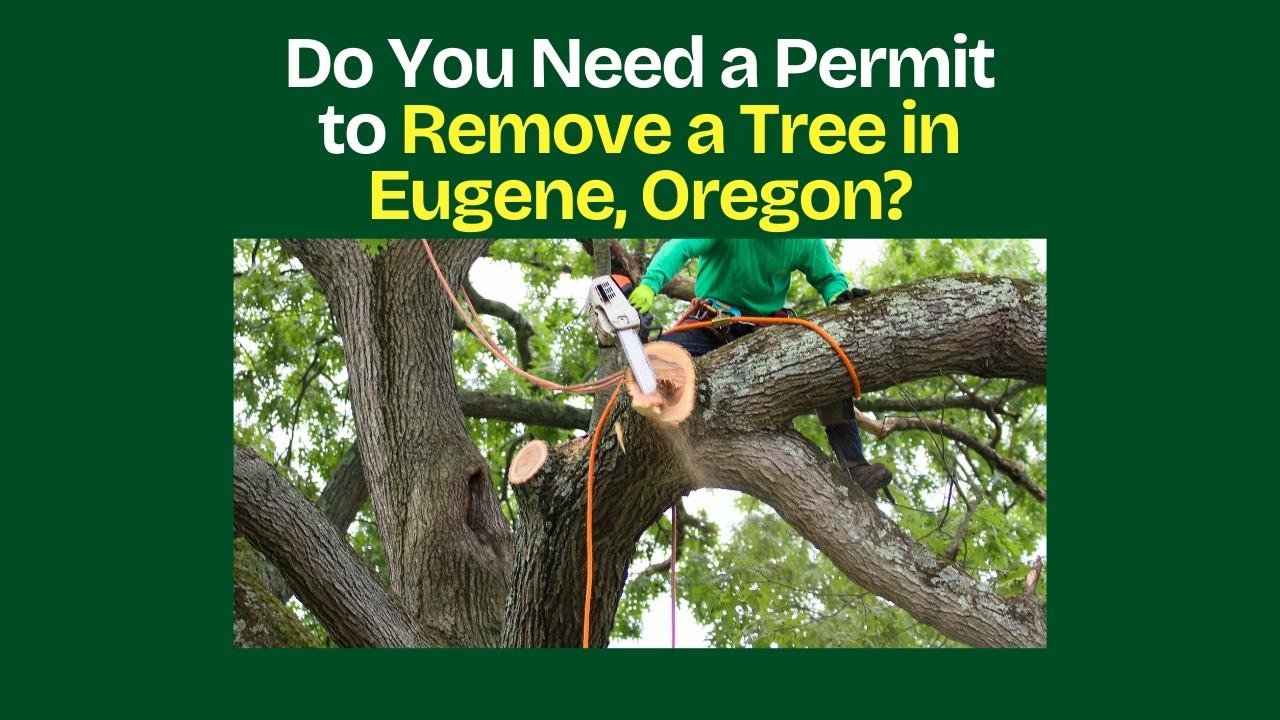
If you’re planning tree removal in Eugene, Oregon, it’s important to understand the local rules before cutting anything down.
Many homeowners assume they can remove trees freely on their property—but that’s not always true. The City of Eugene has specific regulations to protect urban trees, and ignoring them can lead to fines.
In this guide, we’ll break everything down in a simple way so you know exactly when you need a permit, when you don’t, and how to stay compliant.
Why Tree Removal is Regulated in Eugene
Trees are a big part of Eugene’s environment. They help with air quality, reduce heat, prevent soil erosion, and improve property value.
Because of this, the city has rules to protect certain trees—especially large, healthy, or historically significant ones.
That means before removing a tree, you need to check whether it falls under protected categories.
When You DO Need a Permit
In Eugene, you may need a permit if: here is the direct government win
1. The Tree is Protected
Some trees are protected due to their size, species, or location. These often include:
- Large trees (based on trunk diameter)
- Heritage or landmark trees
- Trees in environmentally sensitive areas
2. The Tree is in a Regulated Zone
You will likely need approval if the tree is located in:
- Wetlands
- Riparian zones (near rivers/streams)
- Hillsides or erosion-prone land
3. You’re Removing Multiple Trees
Even if individual trees are not protected, removing several trees at once can trigger permit requirements.
4. The Property is Under Development Rules
If you are building, renovating, or subdividing land, tree removal is usually regulated and requires approval.
When You DON’T Need a Permit
You generally don’t need a permit in these situations:
1. Small Trees
Trees below a certain size (usually based on trunk diameter) are often exempt.
2. Hazardous or Dead Trees
If a tree is:
- Dead
- Diseased
- Structurally unsafe
You may remove it without a permit—but you might still need proof (like photos or an arborist report).
3. Private Property (With Limits)
Some residential properties allow limited tree removal without permits, as long as the trees are not protected.
Tree Size Rules (Simple Explanation)
A key factor is the diameter at breast height (DBH)—this is measured about 4.5 feet from the ground.
- Smaller trees → usually no permit
- Larger trees → may require approval
The exact size limit can vary depending on zoning, so it’s always safer to double-check before cutting.
How to Apply for a Tree Removal Permit?
If you determine that you need a permit, the process is straightforward:
Step 1: Contact the City
Reach out to Eugene’s planning or urban forestry department.
Step 2: Submit an Application
You’ll typically need:
- Tree details (size, type, location)
- Reason for removal
- Site plan (sometimes required)
Step 3: Wait for Approval
The city may:
- Approve immediately
- Request more info
- Ask for tree replacement
Step 4: Follow Conditions
You might be required to:
- Plant replacement trees
- Follow specific removal methods
Penalties for Removing a Tree Without Permission
This is where many people get caught.
If you remove a protected tree without approval:
- You may face fines
- You could be required to plant multiple replacement trees
- You might delay construction or property plans
In some cases, penalties can cost far more than hiring a professional in the first place.
Why Hiring a Professional Matters
Tree removal isn’t just about cutting—it’s about doing it legally and safely.
A professional tree service will:
- Check permit requirements
- Identify protected trees
- Handle paperwork if needed
- Remove the tree safely
If you’re unsure where to start, working with a local expert makes the process much easier. You can explore reliable services like Tree Service Eugene Oregon to get help with both compliance and safe removal.
Common Mistakes to Avoid
Many homeowners make simple mistakes that lead to problems:
1. Assuming It’s Your Property = No Rules
Even on private land, regulations still apply.
2. Ignoring Tree Size
Large trees are more likely to be protected.
3. Skipping the Check
Not verifying rules before cutting is the biggest risk.
4. Removing Trees During Development
Construction projects almost always require permits for tree removal.
Environmental Considerations
Even if you don’t need a permit, it’s worth thinking about the impact.
Removing trees can:
- Increase heat around your home
- Reduce shade and energy efficiency
- Affect local wildlife
Sometimes trimming or pruning is a better option than full removal.
Alternatives to Tree Removal
Before removing a tree, consider:
- Pruning – Fix overgrowth or safety issues
- Cabling/Bracing – Stabilize weak trees
- Disease Treatment – Save unhealthy trees
A certified arborist can help you decide the best option.
Final Thoughts
So, do you need a permit to remove a tree in Eugene, Oregon?
It depends.
- Small or hazardous trees → usually no permit
- Large, protected, or regulated-area trees → permit required
The safest approach is simple:
👉 Always check before cutting.
Tree rules can seem confusing, but taking a few minutes to verify can save you from fines and stress.
And if you want a smooth, hassle-free process, working with professionals ensures everything is handled correctly—from permits to cleanup.