Yucca is tough. Real tough. Deep roots. Waxy leaves. Built to survive drought, heat, and neglect.
That’s exactly why killing it is hard. Most quick fixes fail. Some are dangerous. Some just waste your weekend. This guide answers every method people try. What works. What doesn’t. What to avoid completely.
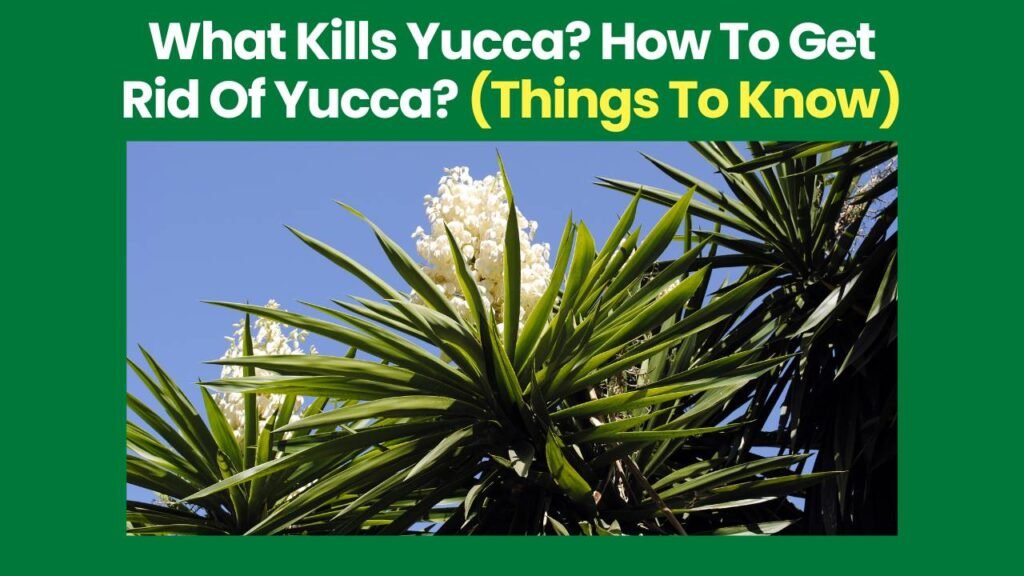
Why Yucca Is So Hard to Kill?
Yucca stores energy in a thick taproot. That root goes deep. Sometimes several feet down.
Cut the leaves off, and the root survives. Dig out the top, and a chunk left behind regrows. Yucca doesn’t die easy. It regenerates from almost nothing.
That’s why so many home remedies fail halfway through. The plant looks dead. Then it’s back in a month.
Will Bleach Kill Yucca Roots?
Bleach can damage yucca tissue on contact. It’s harsh enough to burn leaves and surface roots.
But it rarely reaches the full root system. Bleach breaks down fast in soil. It doesn’t move far from where you pour it.
Bleach also kills soil microbes nearby. That harms surrounding plants and soil health long-term. Not worth the tradeoff for a plant that’ll likely resprout anyway.
Best Herbicide to Kill Yucca Plants
Systemic herbicides work best on yucca. These get absorbed and travel down into the root system, not just the surface.
Glyphosate-based products are the most common choice. Triclopyr also works well on woody, tough-stemmed plants like yucca.
Cut the yucca down first. Then apply herbicide directly to the freshly cut stump. This method, called cut-stump treatment, pulls the chemical straight into the root system instead of just coating leaves.
Full leaf spraying works too, but yucca’s waxy coating blocks a lot of absorption. Cut-stump treatment is far more reliable.
Will Roundup Kill Yucca Plants?
Roundup contains glyphosate, a systemic herbicide. It can kill yucca, but it takes patience.
One application rarely finishes the job. Yucca’s root reserves are large. Most people need two or three treatments spaced a few weeks apart.
Cutting the plant down first and treating the stump speeds things up. Spraying full leaves alone often just burns the surface without reaching the root.
We’ve covered this exact question in more detail, including timing and application tips, in our guide on is yucca poisonous to humans?, since protective gear matters during herbicide application too.
How to Get Rid of Yucca Plants Naturally?
Natural removal is possible, but it takes more effort than chemical methods. A few approaches actually work.
- Digging out the root ball. This is the most reliable natural method. Dig wide and deep, following the taproot down as far as it goes. Leave any root fragment behind, and regrowth is likely.
- Smothering. Cut the plant down, then cover the stump and surrounding soil with thick cardboard or a tarp. Block sunlight completely for several months. This starves the root system slowly.
- Repeated cutting. Cutting new growth back every time it appears drains the plant’s energy reserves over time. Slow, but effective with consistency.
- Boiling water or salt. These fall into “natural” but come with real downsides, covered below.
Natural methods take longer than herbicide. But they avoid chemical runoff and are safer around pets and kids.
What Kills Yucca Leaves? (What Actually Damages Foliage)
Several things damage yucca leaves without killing the whole plant. Frost, prolonged drought stress, fungal leaf spot, and chemical burn from concentrated sprays can all brown or wilt leaves.
But damaged leaves don’t mean a dead plant. Yucca can lose most of its foliage and still recover from the root. If the goal is full removal, leaf damage alone won’t finish the job. The root has to go too.
Will Diesel Kill Yuccas?
Diesel can kill plant tissue on contact, including yucca. It disrupts cell membranes and dries out foliage fast.
But diesel is a poor long-term solution. It contaminates soil for months, sometimes years. It also creates fire risk and environmental hazard, especially near property lines or storm drains.
Most local regulations restrict dumping petroleum products on soil. It’s not worth the legal or environmental risk for killing a single plant.
Will Boiling Water Kill Yucca Roots?
Boiling water can scald surface roots and kill small, shallow yucca plants. Repeated pouring can weaken a young plant significantly.
For established yucca with deep taproots, boiling water rarely reaches far enough underground to matter. Heat dissipates fast once it hits soil.
It works best as a supplement to physical removal, not a standalone method. Pour it directly on a freshly cut stump for added effect.
Will Salt Kill Yucca Roots?
Salt draws moisture out of roots and disrupts a plant’s ability to absorb water. Applied heavily and repeatedly, it can kill yucca over time.
But salt sticks around in soil for a long time. It doesn’t break down or wash away quickly. Nearby plants, lawns, and garden beds can suffer collateral damage for seasons afterward.
Salt also alters soil structure. Heavily salted ground often stays barren long after the yucca is gone. Use it only in isolated spots where nothing else will grow anyway.
Will Vinegar Kill Yucca Roots?
Vinegar, especially horticultural-strength vinegar with higher acetic acid content, can burn yucca leaves and surface tissue on contact.
Household vinegar from the kitchen is usually too weak. It might scorch leaves temporarily, but rarely does lasting damage to an established root system.
Even strong vinegar struggles to penetrate deep enough for full root kill. It’s a decent option for small seedlings, not mature yucca plants.
Will Petrol Kill Yucca Roots?
Petrol works similarly to diesel. It kills plant tissue fast on contact and can damage root systems if poured directly onto soil.
The risks outweigh the benefits though. Petrol is highly flammable, toxic to soil life, and often illegal to dump under local environmental rules. Contamination can spread to groundwater in the wrong conditions.
This method isn’t recommended, regardless of how tough the yucca is.
Comparing Yucca Removal Methods
| Method | Effectiveness | Risk Level |
|---|---|---|
| Systemic herbicide (cut-stump) | High | Low, if applied correctly |
| Roundup / glyphosate spray | Medium-High | Low |
| Digging out root ball | High | Low |
| Smothering | Medium | Low |
| Boiling water | Low-Medium | Low |
| Salt | Medium | High (soil damage) |
| Vinegar (horticultural) | Low-Medium | Low |
| Bleach | Low | Medium (soil harm) |
| Diesel or petrol | Medium-High | High (contamination) |
The Fastest, Safest Way to Kill Yucca
For most yards, one combination beats everything else. Cut the yucca down close to the ground. Apply a systemic herbicide directly to the fresh stump within minutes of cutting. Then monitor for regrowth over the following month and retreat if needed.
This method skips wasted effort on leaf spraying, avoids soil contamination from petroleum products, and works faster than natural smothering alone.
Safety Considerations Before Removal
Yucca isn’t just tough to kill, it also needs careful handling. Sharp leaf tips can cause injury, and some parts of the plant carry mild toxicity.
Before starting removal, it’s worth understanding, especially if skin contact or accidental ingestion is a concern during digging or cutting.
Households with pets should take extra care too. Our guide on whether yucca is poisonous to cats covers symptoms to watch for if a curious pet chews on cut leaves or exposed roots during the removal process.
Wear gloves and eye protection when cutting yucca. The pointed leaf tips are sharp enough to cause real injury, especially on mature plants.
Final Thoughts
Killing yucca isn’t about finding one magic product. It’s about matching the method to the size of the plant and being willing to follow through.
Small yucca responds well to digging, smothering, or vinegar. Established yucca with a deep taproot needs a systemic herbicide applied directly to a fresh cut stump.
Harsh options like diesel, petrol, and heavy salting might work, but the soil damage and environmental risk rarely make them worth it.
Whatever method you choose, patience matters more than strength. Yucca rarely dies on the first try.
Plan for a follow-up treatment, and don’t be surprised if it takes a full season to finish the job completely.